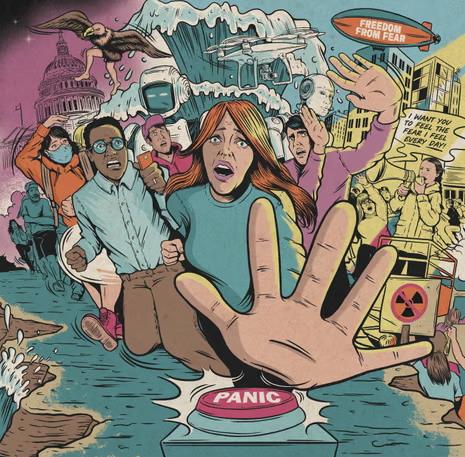
Democracy Doesn’t Guarantee Happiness
Democracy gives us freedoms—voting, speaking our minds, and influencing decisions in society. On paper, that sounds amazing. In practice, happiness depends on more than just ticking a box on election day. People need jobs, healthcare, education, equality, and a government they can trust. Without these, even the freest nation can leave citizens feeling frustrated or stressed.
Take the U.S., for example. Many Americans cherish their democratic rights, but surveys like the World Happiness Report show a mixed picture. Income inequality, healthcare costs, and political polarization weigh heavily on people’s day-to-day happiness. Freedom is important, but if the system feels unfair or unresponsive, it’s not enough.
Lessons from Around the World
Some countries consistently top happiness charts—Denmark, Finland, Norway. What’s their secret? Beyond having elections, they invest in social welfare, healthcare, low corruption, and a sense of community. Citizens feel secure and valued. On the flip side, other nations with democratic elections still struggle with inequality, crime, or economic instability—showing that democracy alone doesn’t solve everything.
So, Are People Happy?
The answer is nuanced. Democracy creates the potential for happiness, giving people agency and protecting basic rights. But true happiness comes when those rights are backed by strong policies, equality, and trust in institutions. In other words, a country might be democratic, but citizens will only thrive when democracy works for them in real, tangible ways.
Final Thought
Freedom is powerful, but happiness is personal—and it depends on whether that freedom helps people live better lives. Democracy is just the starting point; how it’s implemented is what really shapes people’s well-being.